

.png)
Vehicle Insurance
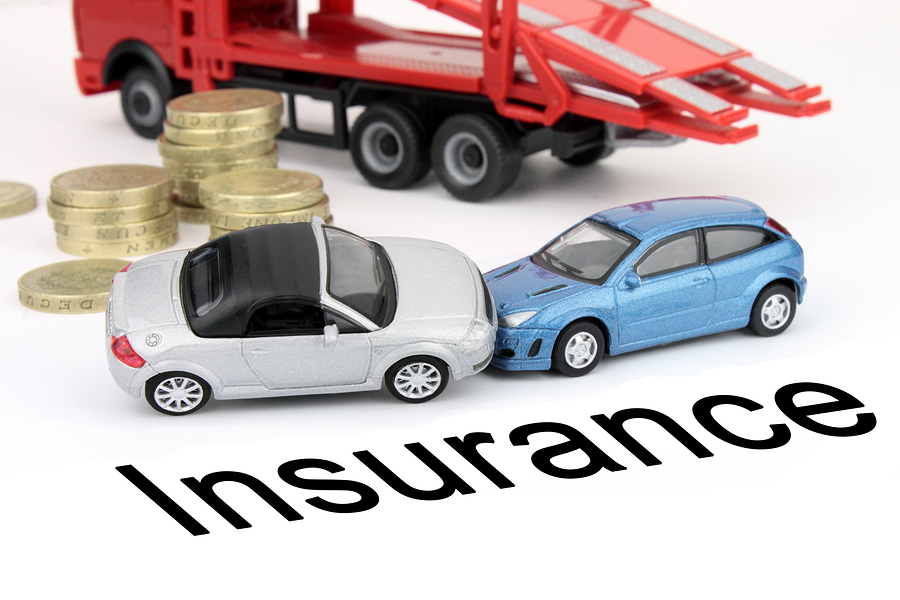
Vehicle Insurance
Also known as auto insurance or car insurance / Two Wheeler Insurance, is a type of insurance coverage that provides financial protection against physical damage or bodily injury resulting from traffic collisions and against liability that could arise from incidents involving a vehicle. Auto insurance is a legal requirement in many countries and is essential for protecting both drivers and their vehicles.
Here are some key components and benefits of vehicle insurance:
1. Liability Coverage: Liability insurance covers bodily injury and property damage that you may cause to others while operating your vehicle. It typically includes coverage for medical expenses, lost wages, and property damage for the other party involved in an accident where you are found at fault.
2. Collision Coverage: Collision insurance covers damage to your vehicle resulting from a collision with another vehicle or object, regardless of fault. This coverage helps pay for repairs or replacement of your vehicle up to the policy's coverage limits.
3. Comprehensive Coverage: Comprehensive insurance provides coverage for damage to your vehicle caused by non-collision events, such as theft, vandalism, fire, natural disasters, or hitting an animal. It also covers windshield damage and may include coverage for rental car reimbursement while your vehicle is being repaired.
4. Medical Payments Coverage (MedPay): Medical payments coverage reimburses medical expenses for you and your passengers resulting from injuries sustained in a car accident, regardless of fault. It may also cover funeral expenses in the event of a fatal accident.
5. Uninsured/Underinsured Motorist Coverage: This coverage protects you if you are involved in an accident with a driver who is uninsured or underinsured. It helps cover medical expenses, lost wages, and property damage that you or your passengers incur due to the actions of an uninsured or underinsured driver.
6. Personal Injury Protection (PIP): PIP coverage, also known as "no-fault" insurance, is available in some states and provides coverage for medical expenses, lost wages, and other expenses regardless of who is at fault in an accident.
7. Gap Insurance: Gap insurance covers the difference between the actual cash value of your vehicle and the amount you owe on your auto loan or lease in the event that your vehicle is totaled or stolen. This coverage helps protect you from financial loss if your vehicle's value depreciates faster than your loan balance decreases.
8. Towing and Roadside Assistance: Many auto insurance policies offer optional towing and roadside assistance coverage, which provides services such as towing, jump-starts, flat tire changes, and fuel delivery if your vehicle breaks down or becomes disabled while on the road.
Vehicle insurance premiums are determined based on factors such as the driver's age, driving history, location, type of vehicle, coverage limits, and deductibles. It's essential to review your insurance policy carefully, understand your coverage options, and make sure you have adequate protection for your vehicle and your specific needs. Additionally, it's important to compare quotes from multiple insurance companies to find the best coverage at a competitive price.