

.png)
Our Blogs
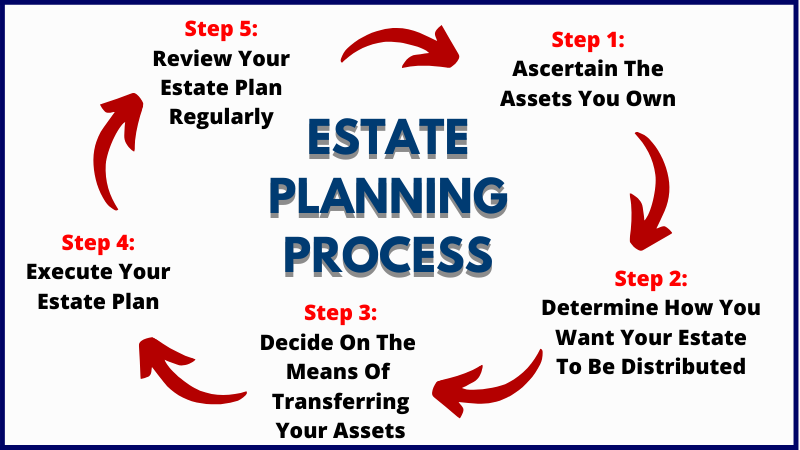
What Is Estate Planning and their Process?
Estate planning is the process of arranging for the efficient and orderly distribution of one's assets and wealth during their lifetime and after death. It involves making decisions about how assets should be managed, preserved, and transferred to heirs or beneficiaries. Estate planning goes beyond simply creating a will; it encompasses various legal and financial strategies to minimize taxes, protect assets, and ensure that the individual's wishes are carried out.
The estate planning process typically involves the following key steps:
1. Assessment of Assets and Liabilities:
- The first step is to take stock of all assets, including real estate, investments, bank accounts, and personal property, as well as any outstanding debts or liabilities.
2. Will Creation:
- Drafting a will is a fundamental aspect of estate planning. A will outlines how assets should be distributed, appoints guardians for minor children, and names an executor to carry out the individual's wishes.
3. Selection of Beneficiaries:
- Designating beneficiaries for financial accounts, life insurance policies, retirement accounts, and other assets helps ensure a smooth transfer of assets outside of probate.
4. Power of Attorney and Healthcare Directives:
- Assigning a power of attorney allows someone to make financial decisions on behalf of the individual if they become incapacitated. Healthcare directives, such as a living will or healthcare proxy, specify preferences for medical treatment.
5. Trust Establishment:
- Creating trusts, such as revocable living trusts or irrevocable trusts, can be a way to manage and distribute assets, often providing more control and flexibility than a will.
6. Tax Planning:
- Estate planning also involves strategies to minimize estate taxes. This may include gifting assets during one's lifetime, taking advantage of tax exemptions, and utilizing trusts to optimize tax efficiency.
7. Regular Review and Updates:
- Estate plans should be regularly reviewed and updated to reflect changes in financial circumstances, family situations, and relevant laws.
Effective estate planning aims to provide for loved ones, minimize potential disputes, and ensure that the individual's legacy is preserved according to their wishes. Consulting with legal and financial professionals is advisable to navigate the complexities of estate planning and to create a comprehensive plan tailored to individual needs.